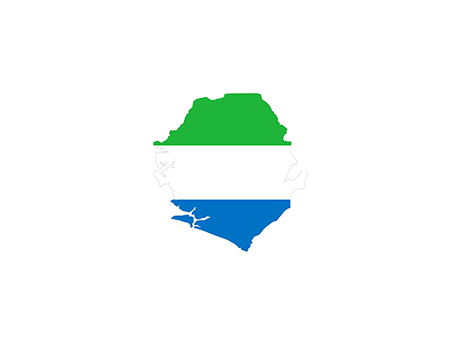


The West African nation of Sierra Leone is a bowing eagle preparing to fly, after so many years of turbulent times and the vagaries of politics. It is a nation endowed with so much milk and honey – mineral resources, arable land, rich sea and rivers and streams, thick forest, productive weather and seasons of sun, rain and harmattan all clothed with pleasant wind and atmosphere. Economywatch showcases some of the lucrative investment and business opportunities that the country has to offer, sourced from the Sierra Leone Investment and Export Promotion Agency (SLIEPA), The African Dreams, and Firmus Advisory.
Sierra Leone, located on West Africa’s southwest coast, is emerging as a promising destination for investors. The country presents a dynamic and emerging investment landscape, offering opportunities across key sectors such as agriculture, mining, energy, tourism, and fisheries.
Sierra Leone has 5.4 million hectares of arable land, making it ideal for agribusiness investments. Its rich natural resources, strategic location, and government-backed incentives make it an attractive destination for foreign and local investors.
The government has implemented various tax incentives, duty exemptions, and investment protections to encourage business growth. Special Economic Zones (SEZs) and public-private partnerships (PPPs) further enhance the business environment by providing infrastructure support and streamlined regulatory processes.
However, investors must navigate infrastructure limitations, bureaucratic delays, currency fluctuations, and legal risks. Strategies like leveraging renewable energy, working with local experts, securing legal protections, and hedging against currency risks can mitigate these concerns.
Despite these hurdles, Sierra Leone remains a high-potential investment destination in West Africa. With its expanding economy, government-driven reforms, and increasing regional trade access, the country provides lucrative opportunities for businesses. Investors who capitalize on Sierra Leone’s growing sectors will benefit from long-term profitability and sustainable development.
Here, following, are abridged versions of some major industries that hold significant potential for investment:
Agriculture and Agribusiness

Agriculture is the backbone of Sierra Leone’s economy, contributing approximately 58% to the GDP and employing about 60% of the workforce. The country has abundant fertile land, favourable climatic conditions, and access to water sources, making it ideal for agricultural investments. However, low productivity and outdated farming methods present challenges that investors can help address.
Mining and Natural Resources
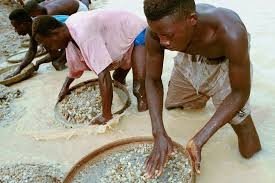
The mining sector is one of Sierra Leone’s largest economic contributors, accounting for over 20% of the GDP and 90% of total export revenue. The country is rich in diamonds, gold, bauxite, and rutile, attracting both large-scale and artisanal mining operations.
Tourism
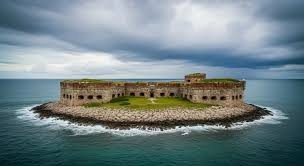
Sierra Leone is an undiscovered tourism gem with pristine beaches, historical sites and wildlife reserves. The government is actively promoting ecotourism and luxury travel, presenting opportunities for investors in the hospitality sector.
Energy Sector

Only 30% of Sierra Leone’s population has access to electricity, with rural areas experiencing even lower rates. The country relies on hydropower and imported petroleum, but there is vast potential for investment in renewable energy and infrastructure projects.
Fisheries

Sierra Leone has a 365-kilometre coastline and a large exclusive economic zone (EEZ) rich in tuna, snapper, and shrimp. However, illegal fishing and a lack of processing facilities reduce industry profits. Investment in sustainable fisheries, aquaculture, and seafood processing plants can improve exports and local consumption.
Guide to starting a Business in Sierra Leone
Registering a business in Sierra Leone is a straightforward process with clear steps to follow. All businesses are required to be officially registered and obtain a Certificate of Incorporation, which must be displayed at the principal place of business. By following the proper legal steps and ensuring compliance with local laws and regulations, entrepreneurs can successfully establish and operate businesses in Sierra Leone, contributing to the growing economy and opening new opportunities for trade and investment.
Whether you are starting a sole proprietorship or a larger limited liability company, Sierra Leone offers a business-friendly environment that encourages growth and expansion. With a simple and efficient registration process, the country presents a great opportunity for both local and international entrepreneurs looking to invest in the region.
Types of Business Entities in Sierra Leone
The first step in registering a business in Sierra Leone is selecting the appropriate business structure. The country offers various options, each catering to different business needs:
- Limited Liability Company (LLC): A popular choice for small to medium-sized businesses, providing limited liability to shareholders.
- Partnership: A business structure where two or more individuals share ownership and responsibilities.
- Public Limited Company (PLC): Suitable for larger businesses intending to raise capital by offering shares to the public.
- Branch Office: A business extension of an existing company from abroad.
- Company Limited by Guarantee: Often used for non-profit organizations or charities.
- Sole Proprietorship: A business owned and run by one individual.
Steps for Business Registration in Sierra Leone
Starting a business involves several key steps to ensure that your company is legally recognised. Here is a step-by-step breakdown of the registration process:
Step 1 – Check the Uniqueness of Your Business Name
To start the registration process, you must first ensure that your business name is unique. Conducting a name search at the Office of the Administrator and Registrar General (OARG) will confirm whether your chosen name is available or not.
Step 2 – Complete the Registration Form
After confirming the availability of your business name, the next step is to complete the registration forms. There are specific forms to complete depending on the type of business you want to register. These forms can be accessed at the OARG or online https://oarg.gov.sl/business-register/. When registering a business in Sierra Leone, the following are some of the information and documents needed to complete your business registration application.
- Business Name
- Registered Office Address
- Tax Identification Number (TIN)
- Business Contacts (Telephone number, email address, and postal address)
- Directors’ and Shareholders’ Names & Addresses
- Company Secretary & Auditor’s Names and Address
- Share Capital
Step 3: Register with the Registrar of Companies
In Sierra Leone, the company registration process is done through physical submission of documents at the Office of the Administrator and Registrar General (OARG). While certain forms are available online, the actual submission and verification of your documents happen in person at OARG. You will need to visit the OARG office to complete your registration and provide any necessary documentation. Once your company is successfully registered in Sierra Leone, you will receive several important documents. These include the Certificate of Incorporation, which officially confirms that your business is legally registered. This document will have details such as your company name, registration number, and the type of entity you have established.
Step 4 – Obtain Tax Identification Number
All businesses in Sierra Leone must be registered with the National Revenue Authority (NRA) to obtain a Tax Identification Number (TIN), which is a mandatory requirement for all businesses. The TIN is essential for tax purposes and ensures compliance with the country’s tax laws.
Step 5 – Request a Business Licence
Businesses must apply for a business licence from the local municipality where the business will be operating. For businesses in Freetown, the process is handled by the Freetown City Council. The business licence certifies that the business is legally allowed to operate within that municipality.
Step 6 – Register with the Ministry of Labour and Social Security
For companies employing local workers, registration with the National Social Security and Insurance Trust (NASSIT) is required. This ensures that employees are registered for social security benefits and other related programs.
Step 7 – Make a Company Seal
The Companies Act mandates the creation of both a formal and common seal for all companies. A formal seal is used for documents meant for international use, while a common seal is used for domestic documents.