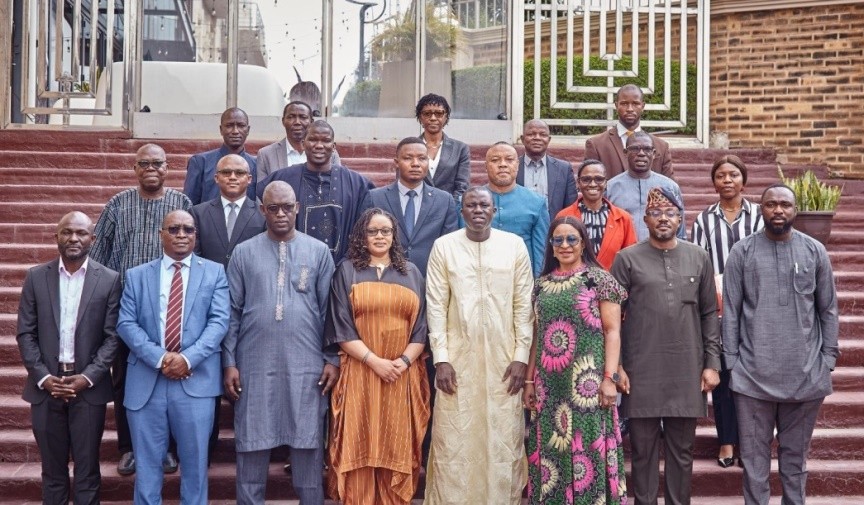

The Economic Community of West African States (ECOWAS) held its premier regional economic summit in June this year to strengthen the bond of unity among leaders, policymakers, business stakeholders, and youth of the region. The initiative – West Africa Economic Summit (WAES) – is out to drive economic integration, promote investment, and foster sustainable growth across West Africa, serving as a catalyst for collaboration, innovation, and shared prosperity in the region. Themed “Unlocking Trade and Investment Opportunities in the Region”, the Summit looked at fostering dialogue, building partnerships, and driving regional cooperation to position West Africa as a globally competitive and unified economic bloc. One of the salient endeavours captured by the event of June 21 and 22 this year is intra-trade cooperation between West Africa and East Africa via the ECOWAS Trade Promotion Organisation (TPO) Network and the East African Community (EAC), with support from the International Trade Centre (ITC).
Economywatch finds this stride very significant in the drive to achieve deeper integration, broader intra-regional trade, and strong trade relations between the regions of the continent. EW considers it also vital to the implementation of the African Continental Free Trade Area (AfCFTA), which is designed to facilitate the movement of goods and services, and advance digital trade in Africa. Thus we took up this important positive development with an experienced corporate administrator and a champion of Gambian business and socio-economic progress, Honorary Consul Alieu Secka, to gauge his take on the ECOWAS-EAC initiative. Mr Secka wouldn’t want to be
disturbed, as he lives a quiet life moving forward, but EW’s editor finds such an experienced business icon an asset to generate some knowledge from as regards developments in Africa’s trade and market integration realm.
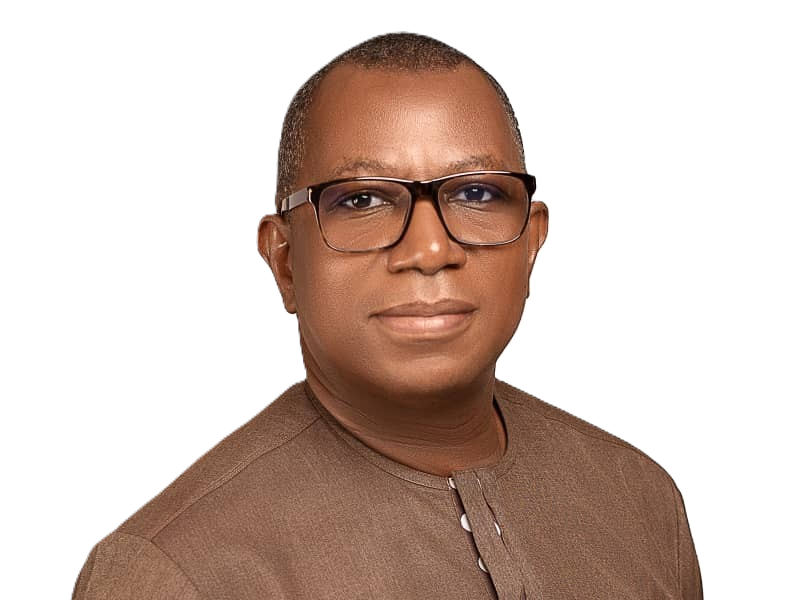
Mr Secka is a seasoned expert in corporate administration, widely recognised for his impactful contributions to The Gambia’s private sector, entrepreneurship, and socio-economic development. With a career spanning more than three decades, he seamlessly blends private sector expertise with public service, consistently championing transformation, inclusivity, corporate governance, and sustainable growth.
Mr Secka’s leadership journey encompasses a wide spectrum of high-impact roles across both business and public enterprises. He has served as Chairman of the Gambia Hotel Association and the National Enterprise Development Initiative, where he played a pivotal role in strengthening institutional frameworks and fostering local enterprise. As former CEO of the Gambia Chamber of Commerce and Industry, he was instrumental in shaping policy and promoting public-private dialogue. His governance experience includes directorships at several major state-owned enterprises, such as the Gambia Ports Authority (GPA), Gamworks, and the Social Development Fund. He currently serves on the Board of Global Properties Gambia, a leading real estate company.
His influence extends beyond national borders. Mr Secka is a regular contributor to economic discussions on platforms like CNBC Africa and has represented private sector on global forums, including as a Board Observer at the Green Climate Fund (GCF) and the Climate Investment Fund (CIF). In addition to his professional endeavours, he is active in civic leadership through the Rotary Club and is dedicated to mentoring emerging leaders. He also holds the position of Honorary Consul of Indonesia in The Gambia.
Mr Secka’s academic and professional credentials further solidify his standing. He is a Fellow of the UK Chartered Governance Institute (FCG), the Chartered Management Institute (FCMI), and the Association of Accounting Technicians (FMAAT). He has also completed executive education programs in Hospitality General Management at Cornell University (USA) and Transformational Leadership at Cambridge Judge Business School (UK).
His career achievements have earned him numerous accolades, including the prestigious Medal of the National Order of the Republic of The Gambia in recognition of his service to national development, as well as honours from Africa Travel Magazine and the Africa Travel Association for his contributions to tourism and business leadership.
In this exclusive interview with Economywatch’s editor Osman Kargbo, Mr Secka gives his perspective of the ECOWAS-EAC intra-trade initiative, and how it will be of immense benefit to both regions, if realised and maintained accordingly. Excerpts.
“The intra-trade cooperation between ECOWAS and the East African Community is a positive step towards strengthening Africa’s trade growth and regional market integration. It holds the potential to drive economic development, create jobs, and improve living standards across the continent.”
Mr Alieu Secka
Economywatch: The Trade Promotion Organization (TPO) of ECOWAS discussed intra-trade cooperation with the East African Community at the West Africa Summit held in Abuja in June this year. What does that mean for Africa’s trade growth and regional market integration?
Alieu Secka: Around the world, regional trade has become much bigger and range between 50 to 65 per cent in many parts of the developed and Asian countries. Therefore, we in ECOWAS have a lot more to do when we are only trading at around 12% despite being 50 years old. The initiative to collaborate between ECOWAS and the East African Community is expected to boost trade growth by creating larger markets, attracting investments, and fostering industrialization across the continent. By working together, these regions can leverage their strengths and resources to improve infrastructure, streamline trade regulations, and enhance the competitiveness of African products in the global market.
Moreover, this cooperation aligns with the broader goals of the African Continental Free Trade Area (AfCFTA), which seeks to create a single market for goods and services across Africa. This integration is crucial for achieving sustainable economic growth, reducing dependency on external markets, and increasing the continent’s resilience to global economic shocks.
In summary, the intra-trade cooperation between ECOWAS and the East African Community is a positive step towards strengthening Africa’s trade growth and regional market integration. It holds the potential to drive economic development, create jobs, and improve living standards across the continent.
EW: ECOWAS is being fragmented gradually following the pullout of the three francophone states of Mali, Niger and Burkina Faso and there are hints of more states pulling out of the bloc in the air, especially after the recent West Africa Economic Summit (WAES) in Abuja on 20 – 22 June. What is your take on the present state of affairs in the West African region?
AS: The current state of affairs in the West African region is indeed concerning, given the gradual fragmentation of ECOWAS following the withdrawal of Mali, Niger, and Burkina Faso. This fragmentation poses significant challenges to regional stability and economic integration.
The withdrawal of these francophone states highlights underlying issues such as political instability, governance challenges, and regional disparities. In particular, poor governance and corruption have led to frequent coups and civil wars, disrupting development and undermining trust in public institutions. Secondly, the lack of investment in infrastructure and sufficient education has hindered economic growth and innovation.
investment in infrastructure and sufficient education has hindered economic growth and innovation.
The recent West Africa Economic Summit (WAES) in Abuja has further raised concerns about the future of ECOWAS. Clearly, the hints of more states potentially leaving the bloc indicate a growing dissatisfaction with the current state of regional cooperation. This continued fragmentation could weaken the collective bargaining power of West African states and make it more difficult to address common challenges such as trade barriers, security threats, and economic development.
To address these issues, it is crucial for ECOWAS to focus on improving governance, reducing corruption, and investing in infrastructure and education. Strengthening political stability and promoting regional integration through initiatives like the African Continental Free Trade Area (AfCFTA) can help mitigate the negative impacts of fragmentation and foster sustainable economic growth.
In summary, the current state of affairs in the West African region is marked by significant challenges, but with concerted efforts to address governance and poor leadership, infrastructure, and regional cooperation, there is no reason why there cannot be positive change and development.
EW: Industrialization has been cited as a major problem solver to Africa’s economic stagnation by economists, scholars, entrepreneurs and even multinational corporations like the African Development Bank. Yet African leaders and governments have not been able to industrialize their nations, leading to excessive dependence on importation for almost everything they need. What do you think are the core impediments to industrializing West Africa and even the whole continent?
“I cannot over-emphasize the need for visionary leadership for Africa for a coordinated, long-term strategy that addresses both structural challenges and emerging opportunities.”
Mr Alieu Secka
AS: This is a multifaceted question with quite interesting statistics often overlooked. Firstly, Africa is comprised of some 54 diverse states across a huge land mass nearly 30 million square kilometers, only second to Asia and occupying 20% of the earth land space. Secondly all with varying colonial histories, and thirdly different political ideologies.
From my perspective, several core systematic and structural barriers stand out. First, political instability and weak governance significantly hinder progress. Frequent changes in leadership or long insistence of ruling, frequent coups, and inconsistent policy enforcement disrupt long-term development planning and reduce investor confidence. I cannot over-emphasize the need for visionary leadership for Africa for a coordinated, long-term strategy that addresses both structural challenges and emerging opportunities.
Secondly, corruption remains a major obstacle. It leads to the misallocation of public resources and erodes trust in institutions, making it difficult to implement large-scale industrial strategies effectively.
Infrastructure is another critical issue such as roads, electricity, and especially digital connectivity – to facilitate trade, attract industry, and support entrepreneurship for long-term planning and investor confidence.
Encouraging regional integration through trade blocs like ECOWAS can boost intra-African trade and create larger markets. Inadequate roads, unreliable electricity, and limited access to clean water make it hard to support industrial activity or attract private sector investment.
Another challenge is the overreliance on raw material exports. Instead of adding value locally, most African economies despite having well sought after rare and precious minerals export them unprocessed, which makes them vulnerable to global price fluctuations and limits job creation.
Education and skills development are equally important. Many countries in the region face a shortage of skilled labour and seasoned political leaders due to underinvestment in education and vocational training, which limits both productivity and innovation. I recognize that many more classrooms are being built for example in The Gambia, and universities created, but the results will take time to germinate fully.
External financial aid, debt burdens and structural adjustment programs by multilateral agencies, while helpful in some contexts, had created dependency and hindered important priority public investment particularly in road infrastructure, energy and other critical sectors.
Lastly, climate change is an emerging threat throughout Africa including domestically with threats to Banjul flooding, blockages of our water ways and poor urban planning. Despite contributing the least to global emissions, African countries are among the most vulnerable, and
limited resources make it difficult to implement effective adaptation strategies.
Addressing these issues requires coordinated policy reforms, investment in human capital, and regional collaboration to create an environment that supports sustainable industrial growth. I am hopeful that when we tackle these issues, West Africa and the entire continent can move towards sustainable industrialization and economic growth.